Discover more about the RSN and find out why we’ve been the international centre of excellence for the Art of Hand Embroidery for more than 150 years. We’ll also introduce you to key guest speakers in our engaging live talks. Easily accessed via Zoom, all of our talks are embellished by captivating images and are followed by live Q&A sessions.
This season our new and vibrant online talks explore pattern, material, and craft across history and cultures. We hope you’ll join us!
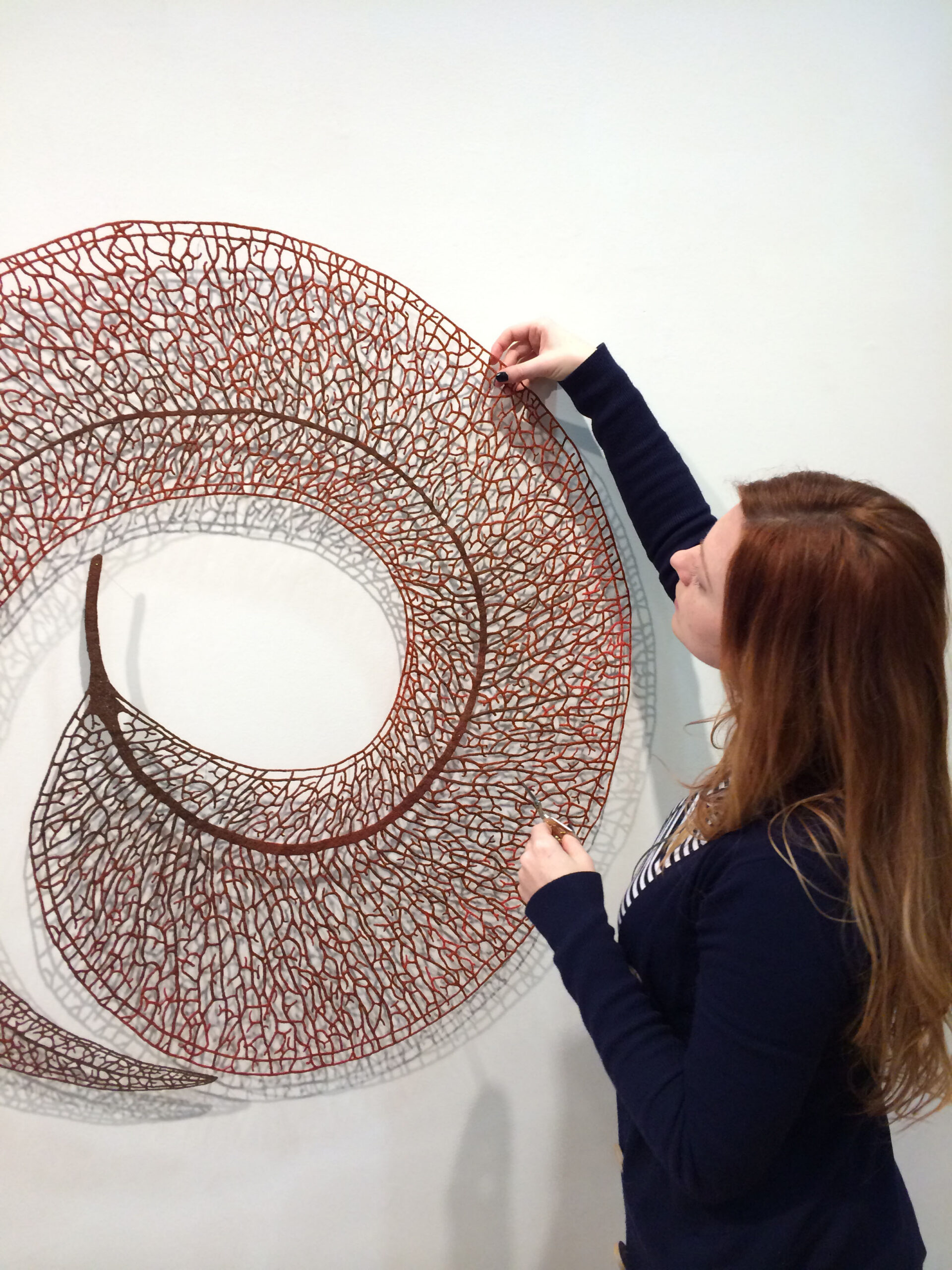
Observing Nature Through Thread
Wednesday 23 September 2026, 7:00pm (UK)
With textile artist, Meredith Woolnough
Bookings for this Talk have now closed.
In this artist talk, Meredith shares the creative journey behind her practice, from the early studies and experiments that led her to “draw” with a sewing machine to the nature-inspired works that have become her signature. Through photographs, sketchbooks and finished artworks, she explores how careful observation, scientific curiosity and contemporary embroidery techniques come together to reveal the remarkable patterns and networks found in leaves, coral, shells and other natural forms.
The Changing Face of Menswear
Wednesday 7 October 2026, 7:00pm (UK)
With fashion historian and author, Robert Ossant
From the splendour of the eighteenth-century court to military uniforms, the sober tailoring of the nineteenth century and the increasingly adventurous menswear of today, the way men dress has always reflected economic status, evolving masculinity and the projection of power.
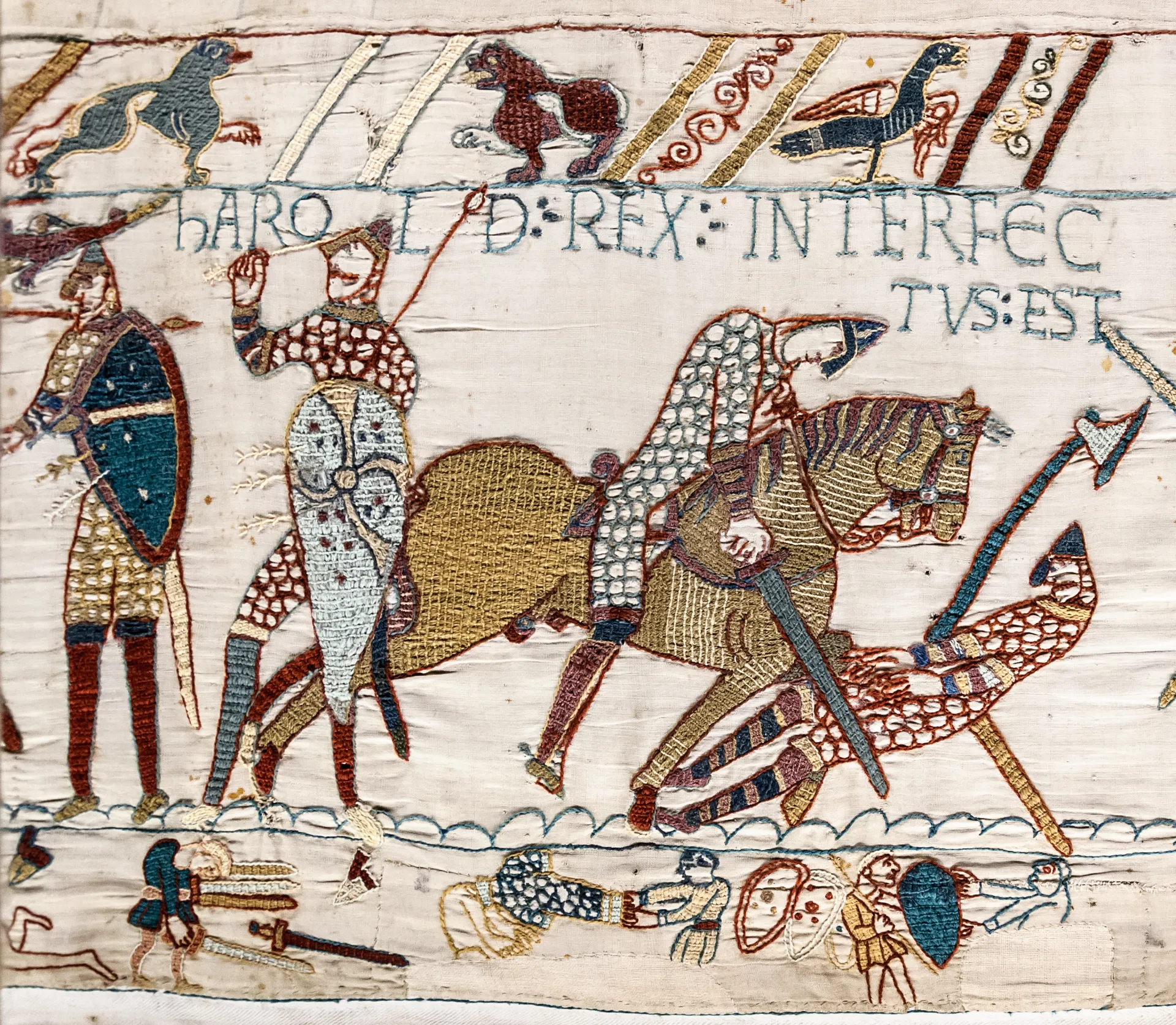
Curating the Bayeux Tapestry
Wednesday 28 October 2026, 7:00pm (UK)
With Project Curator Dr Mille Horton-Incsh
The exhibition of the Bayeux Tapestry at The British Museum is the first time that the tapestry has been shown in the UK since it was made, almost 1000 years ago. An embroidered epic, the Tapestry is believed to have been made shortly after the events it depicts: the Norman Conquest of England in 1066. Its display at The British Museum is expected to be one of the most popular exhibitions in the museum’s history.
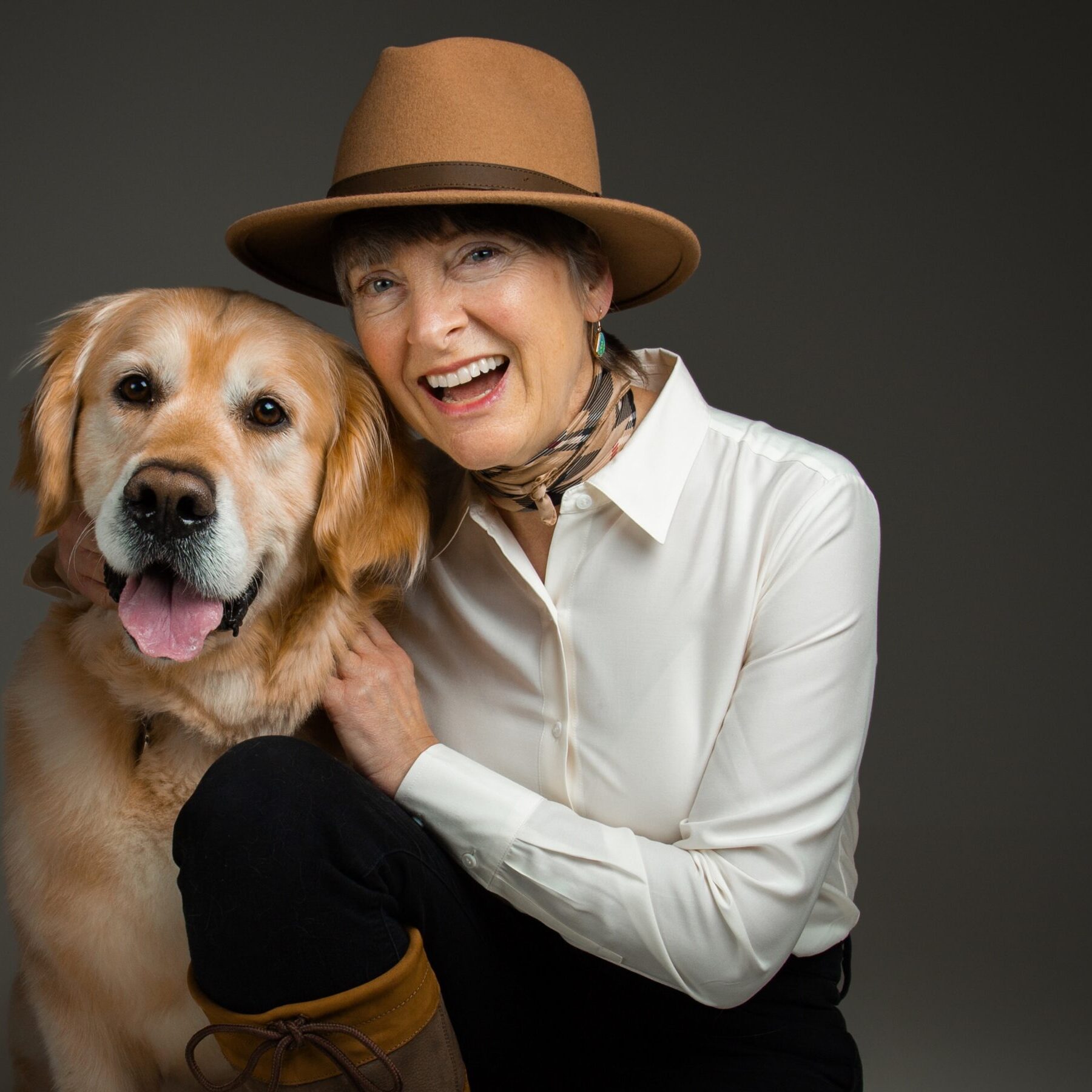
Life in Seasons
Wednesday 11 November 2026, 7:00pm (UK)
With Nicola Jarvis
Based in rural Warwickshire, Nicola combines drawing, painting and stitch to make her artworks. She has been active in the embroidery industry for 35 years, is a senior tutor and fellow of the Royal School of Needlework, holding a Commendation from the Beryl Dean Award for Excellence in Teaching.
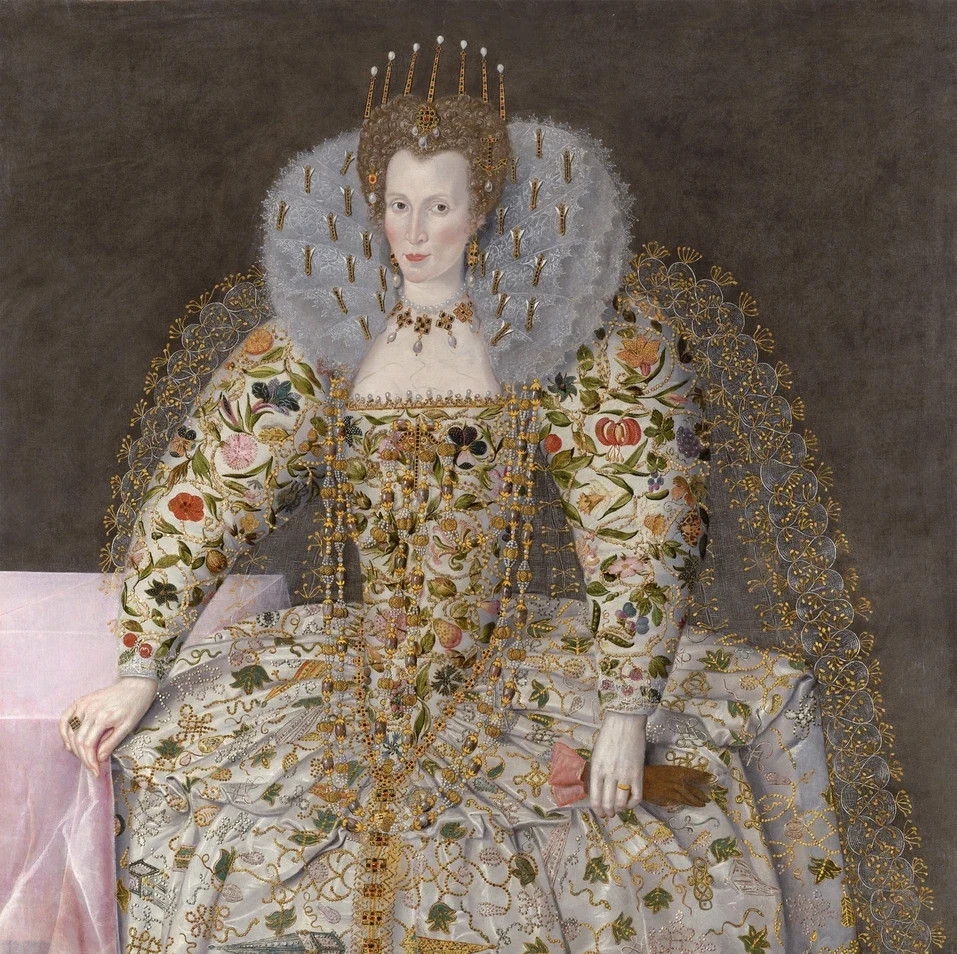
Dressed to Impress: Splendid Court Clothing 1550-1750
Wednesday 18 November 2026, 7:00pm (UK)
With art historian, Jacqui Ansell
Art historian Jacqui Ansell has an M.A. In History of Dress from the Courtauld (where she studied under Professor Aileen Ribeiro). Formerly a Senior Lecturer at Christie’s she has also worked as head of contextual studies for a stitched textile degree and written and taught innumerable courses for the National Gallery. Now freelance she is an accredited Arts Society lecturer and delivers tailor-made tours at the major London galleries.
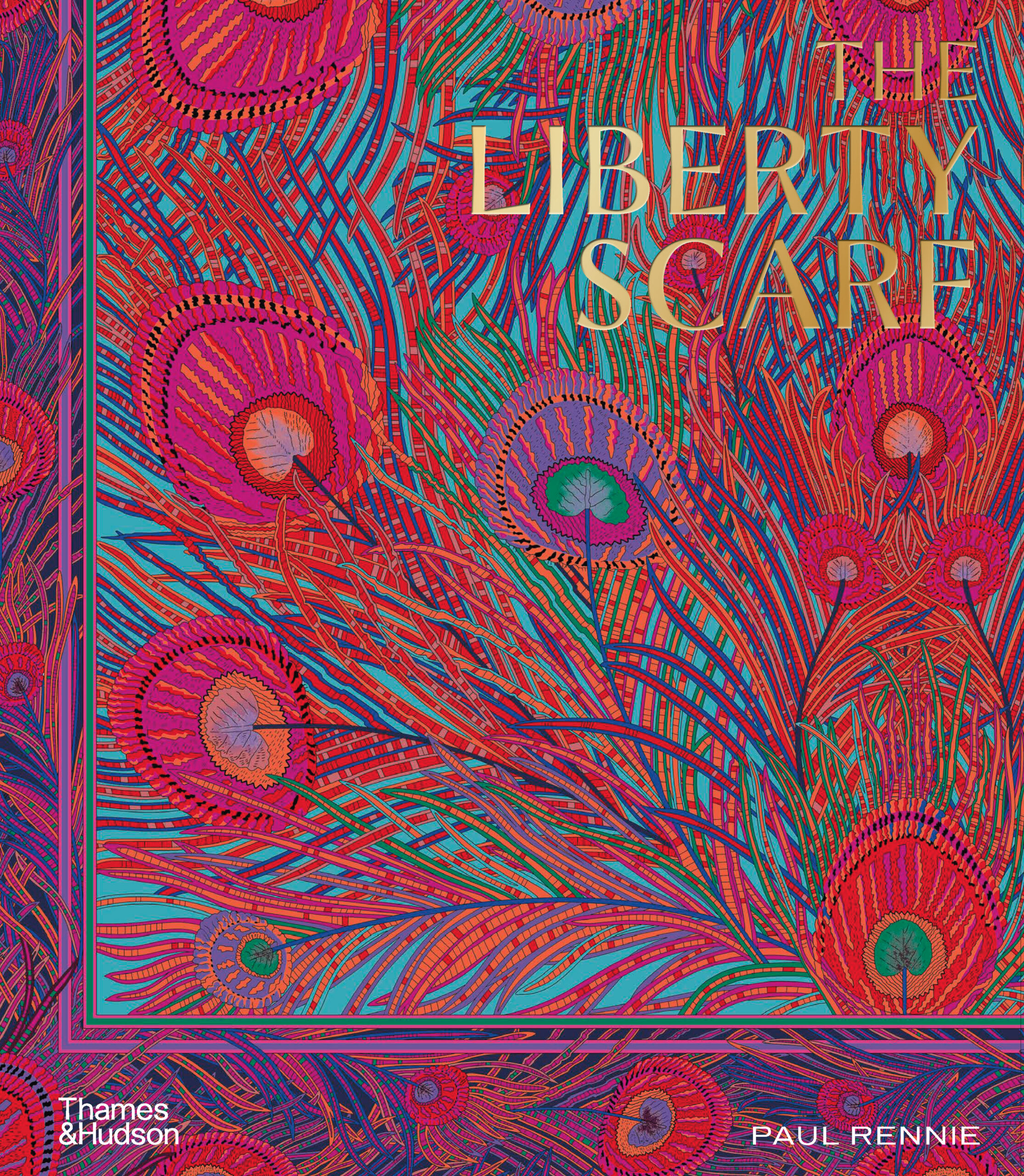
The Liberty Scarf
Wednesday 25 November 2026, 7:00pm (UK)
With Paul Rennie
A captivating tribute to one of fashion’s most enduring luxury accessories, celebrating its rich heritage and exquisite artistry. From the early 1900s, when silk scarves were first printed at Liberty’s own printworks in London, the Liberty scarf evolved into a timeless emblem of effortless sophistication, admired for its lustrous, finely woven silk and distinctive, intricate prints.

Thames and Hudson - Women Textile Designers
Wednesday 9 December 2026, 7:00pm (UK)
With Claire Allen Johnstone & Elizabeth Currie
Women Textile Designers features printed, woven and embroidered fabrics by some of the world’s most accomplished designers. created for public spaces, furnishings, fashion and theatre. Illustrated with a wealth of weaves, prints, textures and patterns, it includes works by Arts and Crafts pioneer May Morris, Bauhaus designers Gunta Stölzl and Anni Albers, mid-century designers Lucienne Day and Althea McNish, contemporary pioneers such as Birgitta Hahn and Reiko Sudo, and many more.
Important Booking Information
Please note that these Talks are live online events and are not available to watch immediately afterwards. If you cannot watch the live event — or if you want to watch again in the future — some of our talks are re-released at a later date On Demand. Please note that there is a separate fee for Talks on Demand.
Bookings for live RSN Online Talks close at 3pm on the day of the event and are NON-REFUNDABLE. After booking, you will receive your unique Zoom invite by email 24-48 hours before each event (3 hours if booked on the day). The invite should arrive ‘from’ [email protected] – we strongly recommend that you add this address to your ‘Safe Senders’ list to ensure safe receipt.
If you do not receive your invite by the above deadline please first check your ‘junk/spam’ mail folder to ensure it hasn’t been routed there by mistake. If you still do not have the invite, please email [email protected] no later than one hour before the event is due to start. Please include your order reference number.
Each place booking and subsequent Zoom link is unique to ONE customer and ONE device only. If you wish to book multiple places on behalf of additional attendees please provide the name AND email address of any additional attendees in the ‘Additional information’ section of your order at checkout.
All RSN Live Online Talks are scheduled and advertised in UK local time (GMT or BST depending on the time of year). If you are outside of the UK please check your local time, particularly if your location changes to/from Daylight Savings Time on a different schedule to the UK during March/April or October/November. To check and convert times please visit TimeAndDate.com.
All RSN webinars include live Closed Captioning (subtitles). These can be disabled if not required.
If you require additional assistance, please refer to our FAQ page. Thank you.
Missed a previous Talk?