Certificate Programme
The Certificate course concentrates on the core skills of hand embroidery. These include accuracy, stitch selection, colour choices and thread decisions. Students also learn about scale, colour, light and shade, texture and much more.
The Certificate consists of four mandatory modules, each module builds on skills previously learned. All modules are a minimum of eight days/40 hours unless otherwise stated. They are completed in the following order:
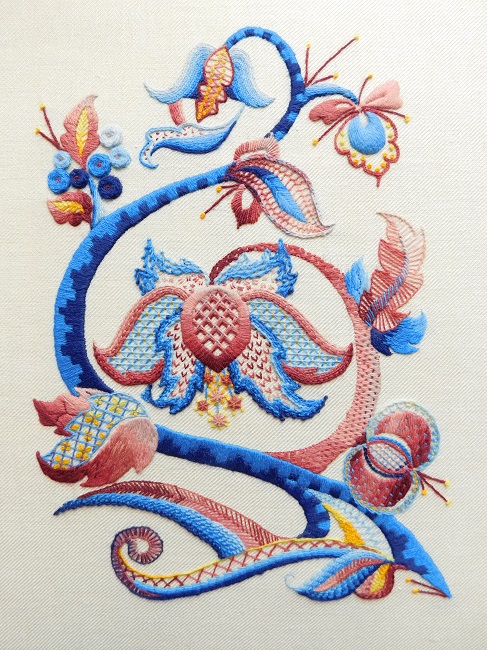
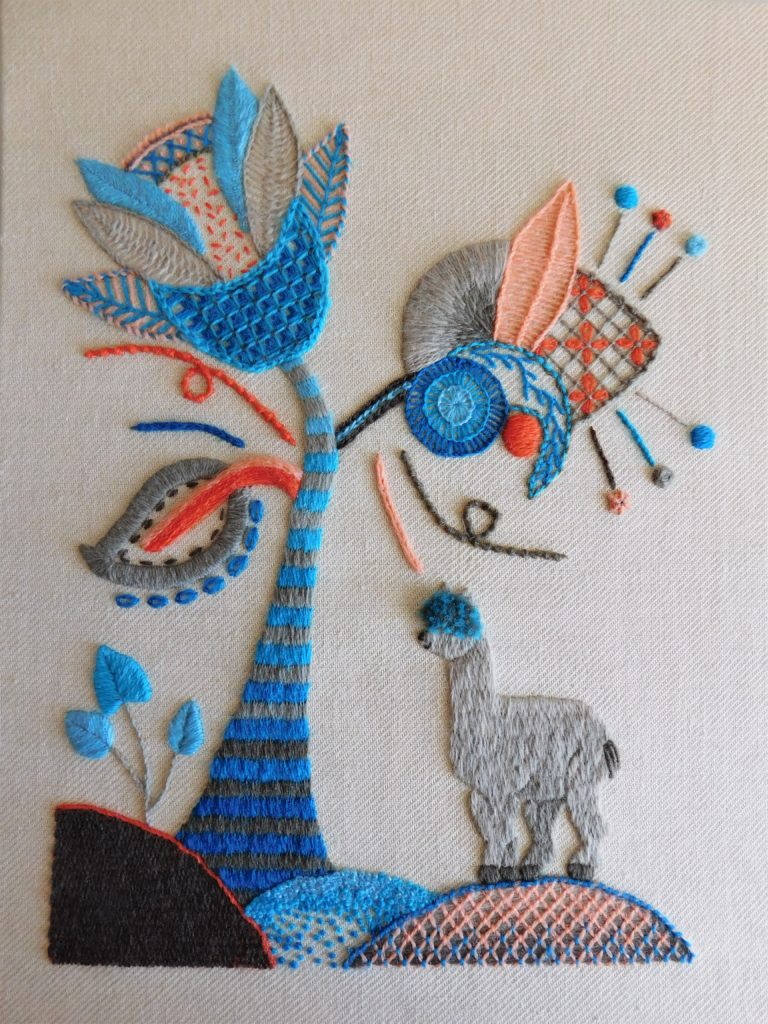
Jacobean Crewelwork
Jacobean Crewelwork is the first Certificate module and is worked in crewel wool on linen using a variety of surface embroidery stitches. The design is a traditional one based on the tree of life. It introduces elements of design, stitch selection, colour choice and shading and accuracy.
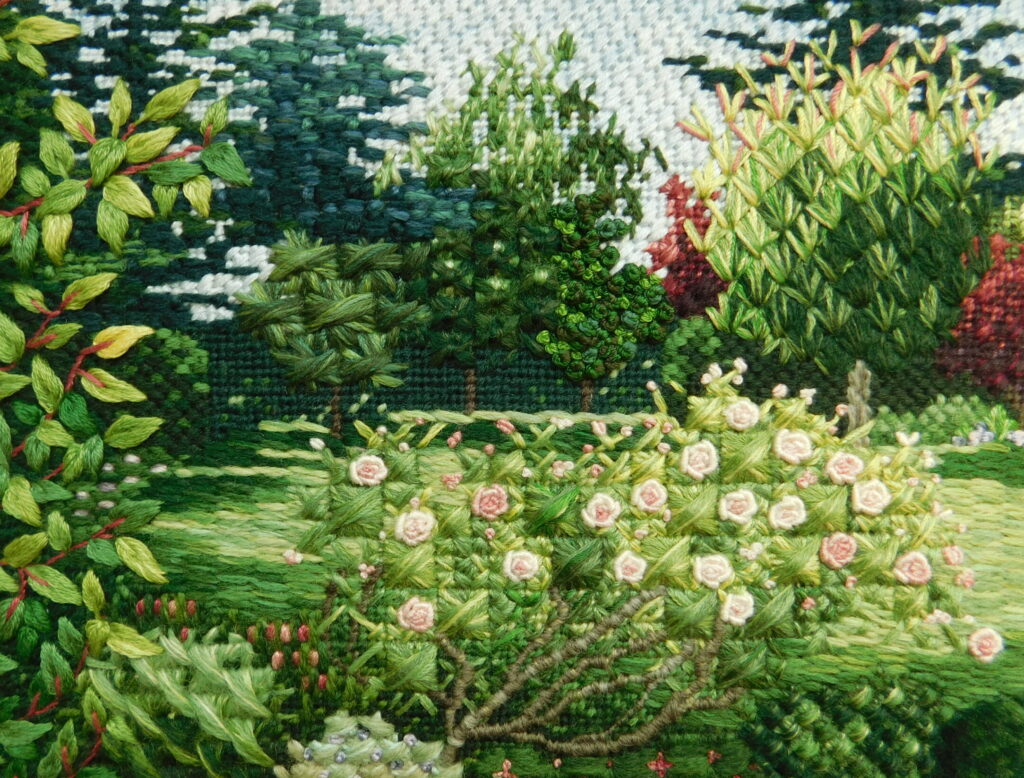
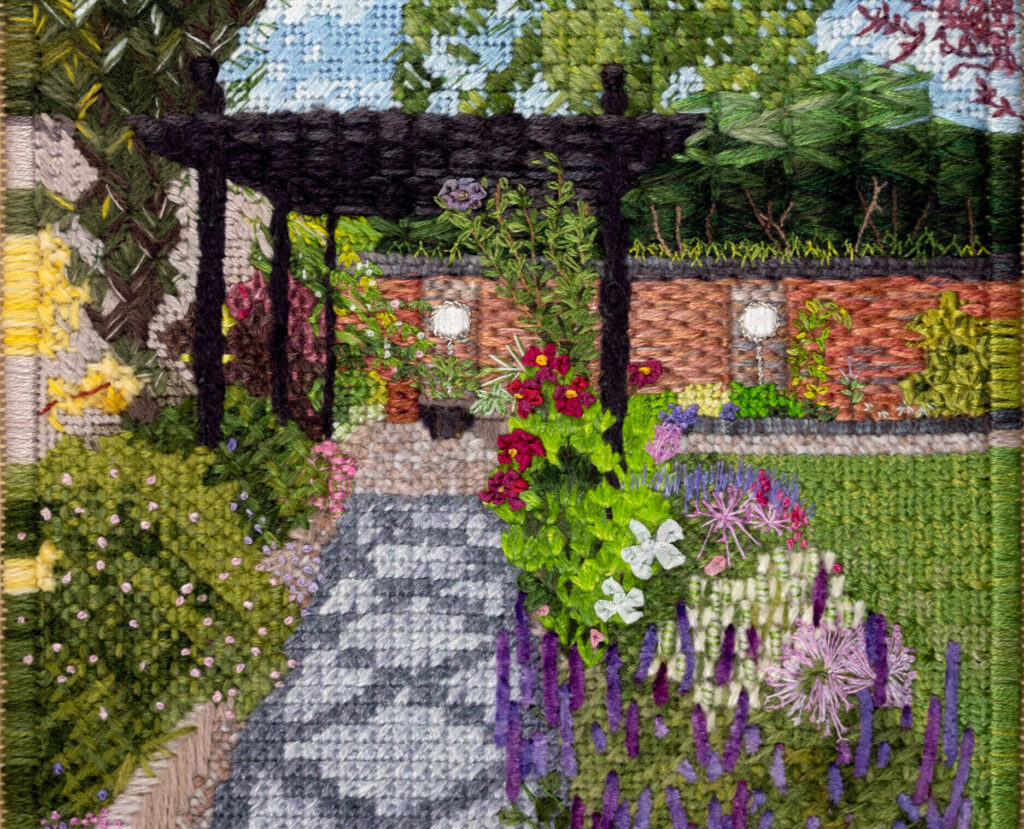
Canvas Stitches
Canvas Stitches is a counted thread technique using a variety of threads and stitches to create texture and scale.
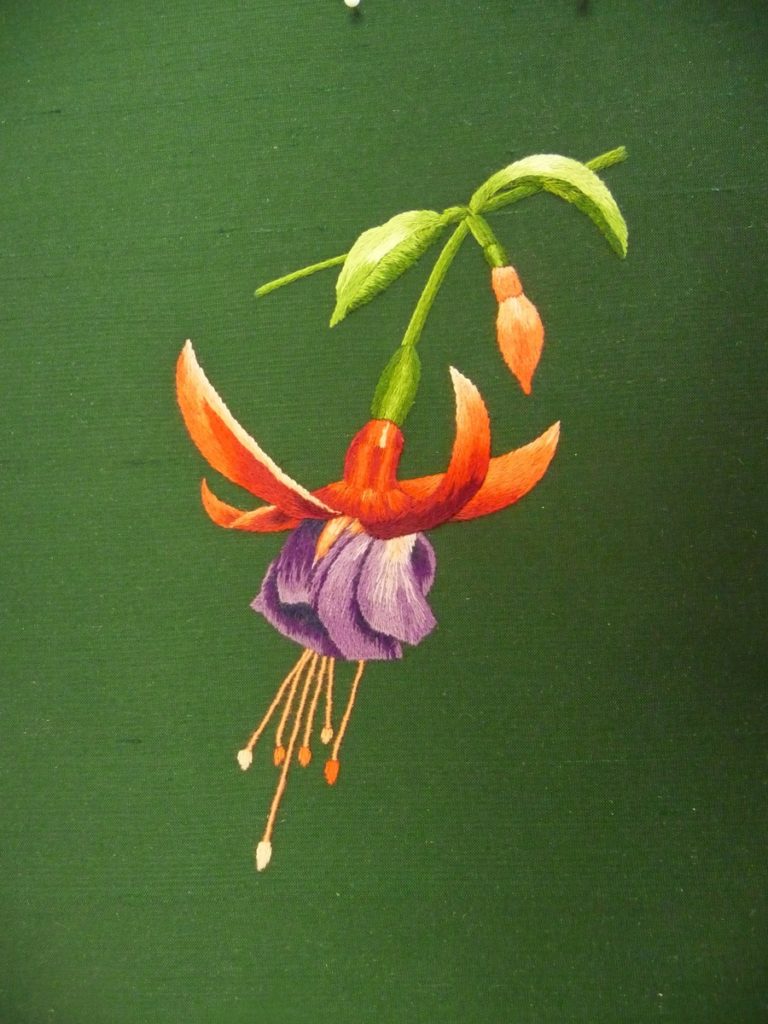
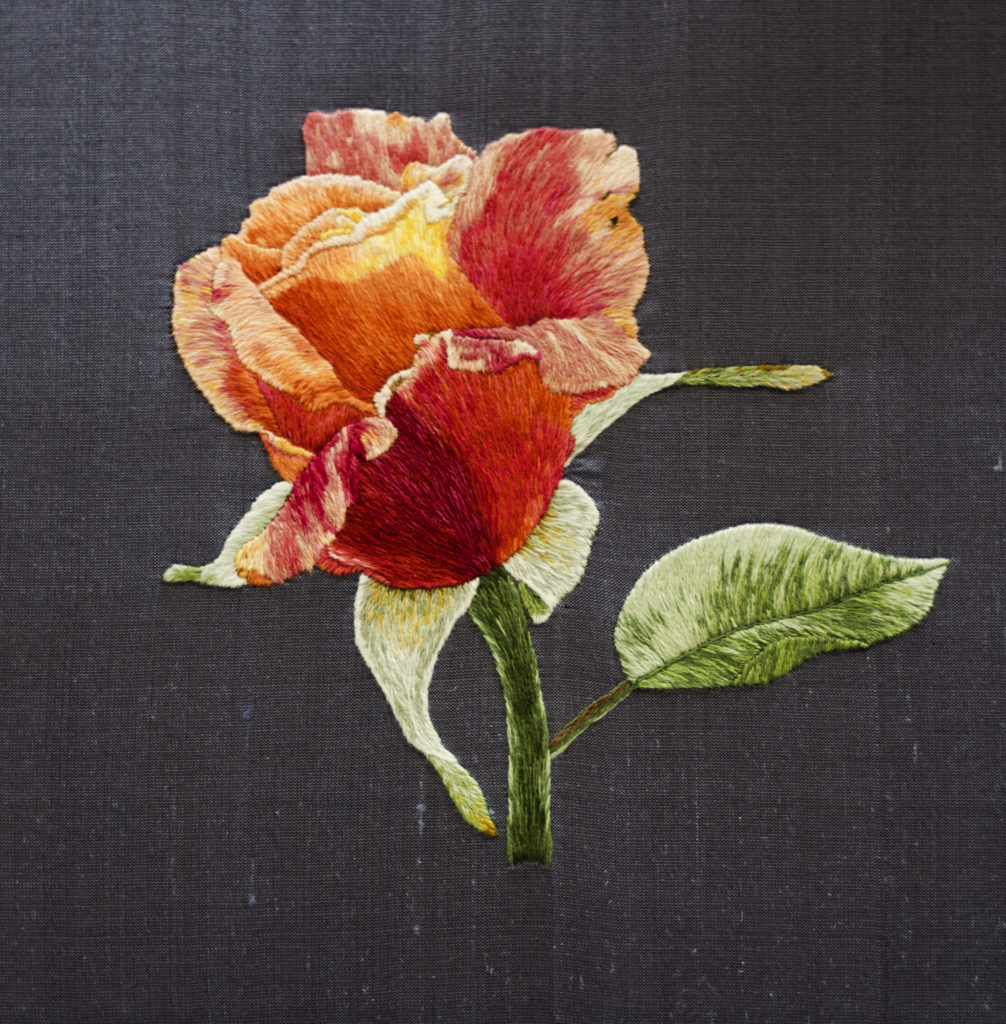
Silk Shading
This technique, which is also known as “painting with a needle” and uses just one stitch, Long and Short. The emphasis is on understanding and replicating colour, light and shade and stitch direction to create a realistic image of a flower, fruit or vegetable.
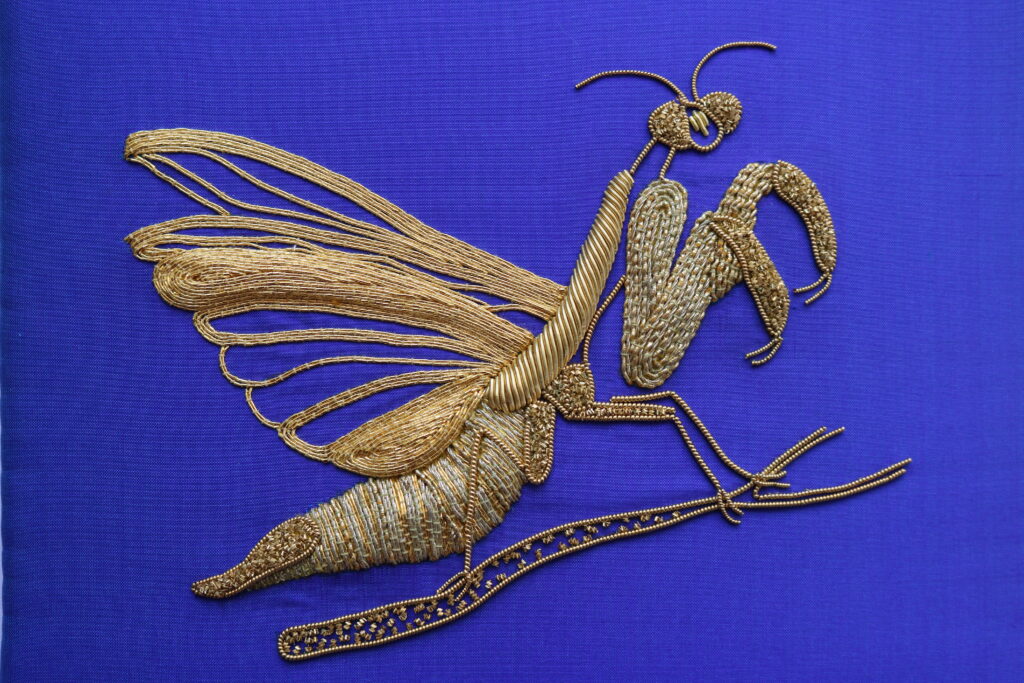
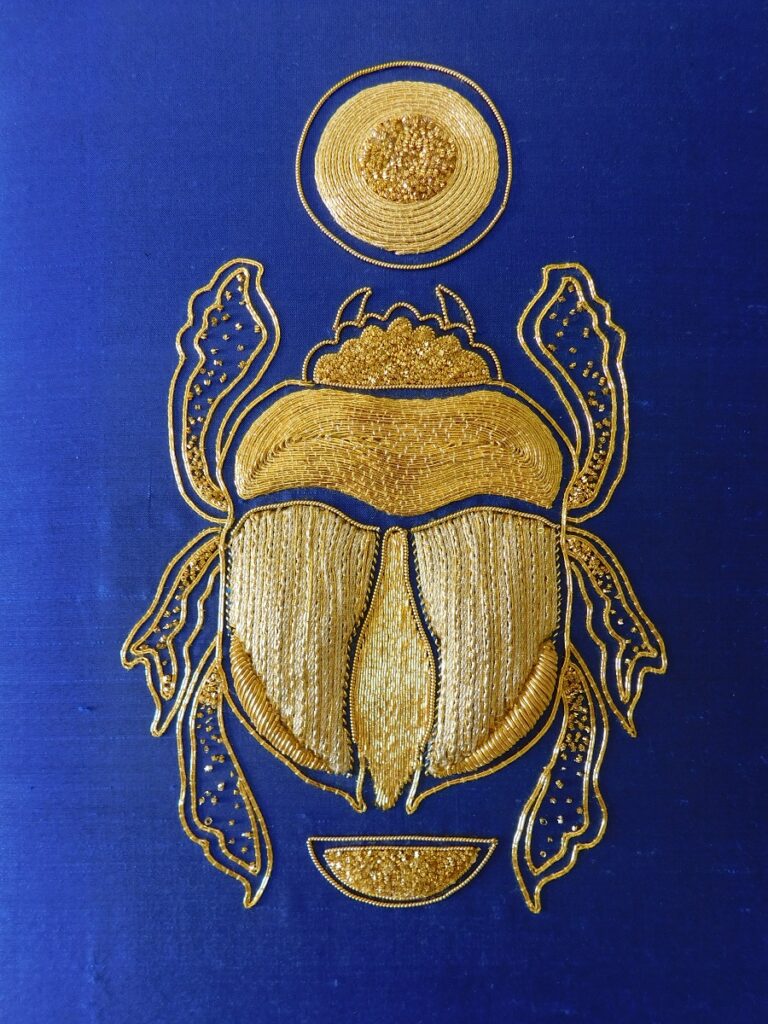
Goldwork
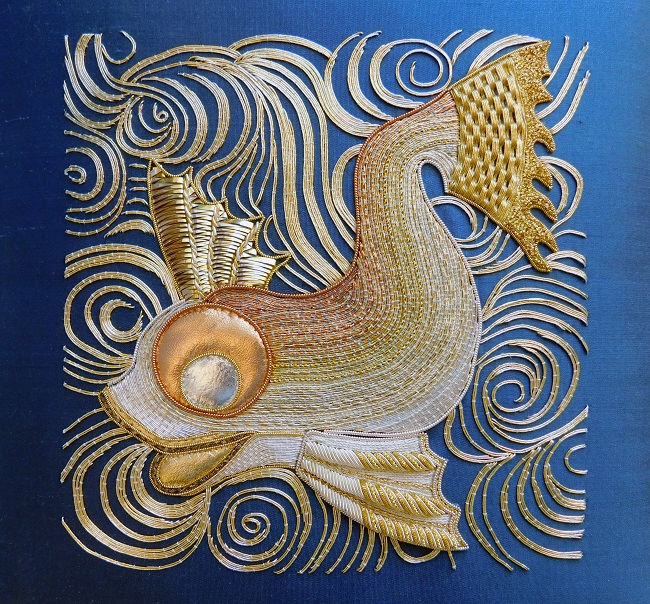
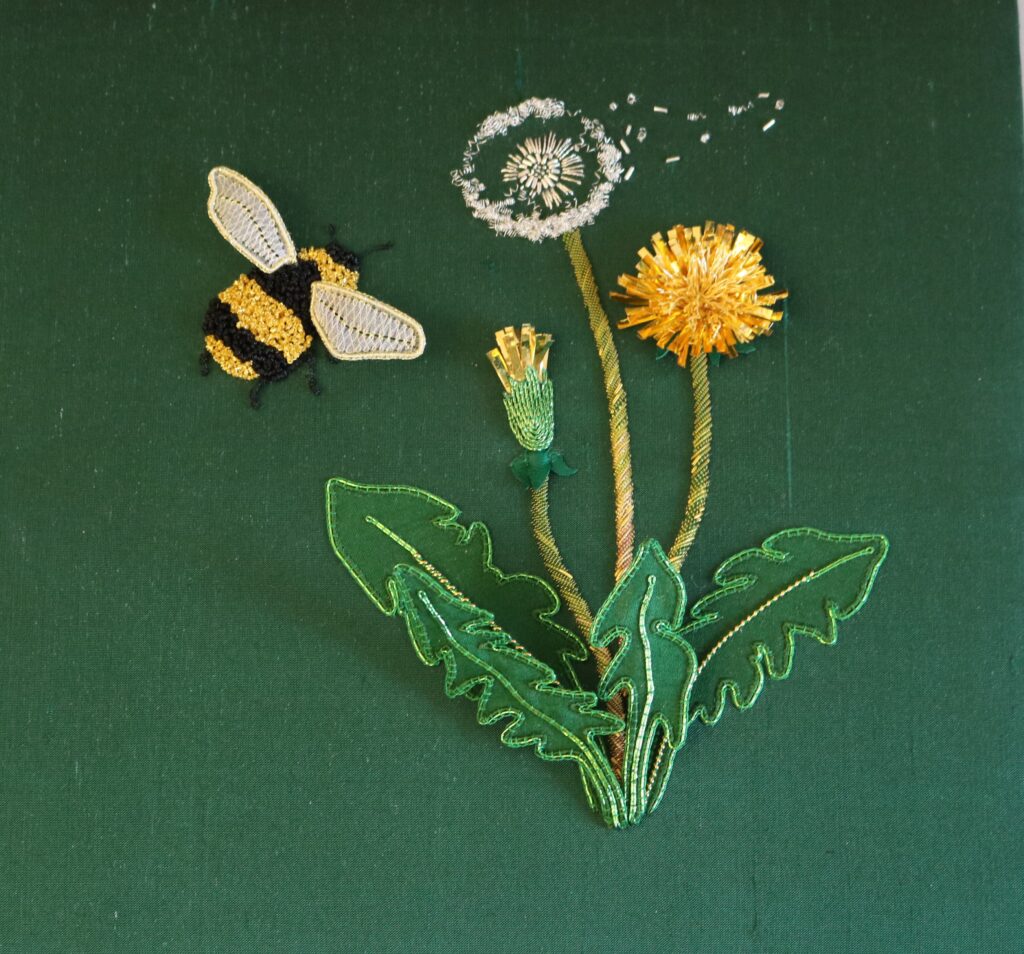
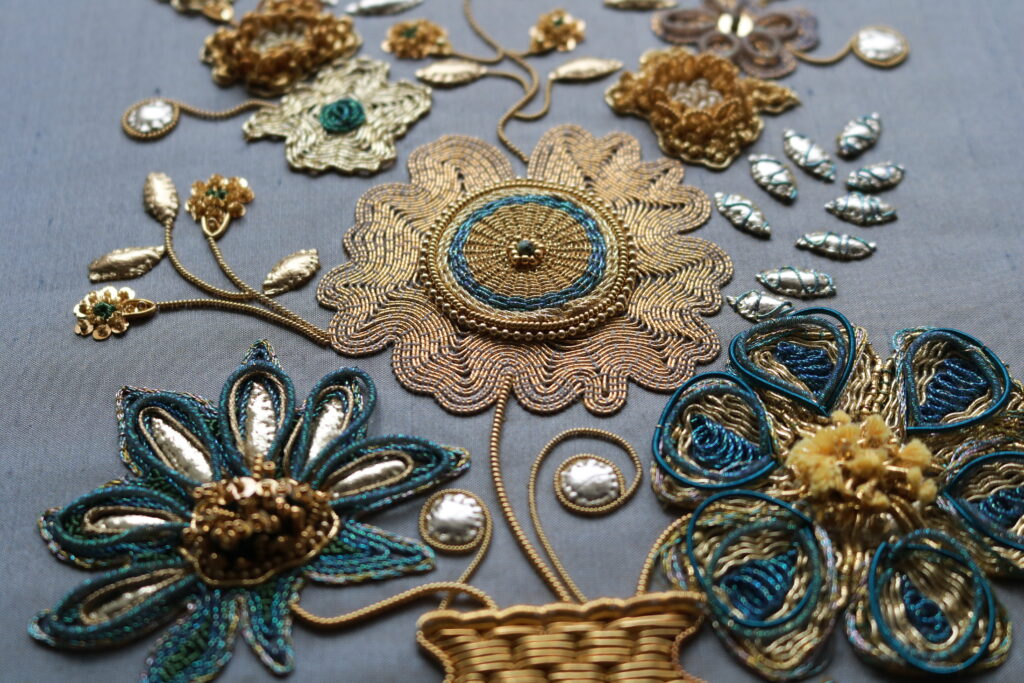
Goldwork has its history in military and royal regalia. It can also be worked in more contemporary ways to create a variety of beautiful and dramatic pieces. Metallic threads are applied to a surface fabric, usually silk or linen. The emphasis is on precision in using a variety of goldwork threads. This module also introduces padding.
Diploma
On successful completion of the Certificate, students may progress to the Diploma, which continues to build on and expand their skills. There are six modules, four of which are mandatory and two are chosen from an optional list.
The four mandatory modules are Applique, Blackwork, Advanced Silk Shading and Advanced Goldwork.
Students will also choose two optional modules from the following list, Canvas Shading, Stumpwork, Whitework: Pulled & Drawn Thread, Whitework: Broderie Anglaise & Richelieu, Preliminary Box & Box, Creative Metal Thread and Tapestry Shaded Figure.
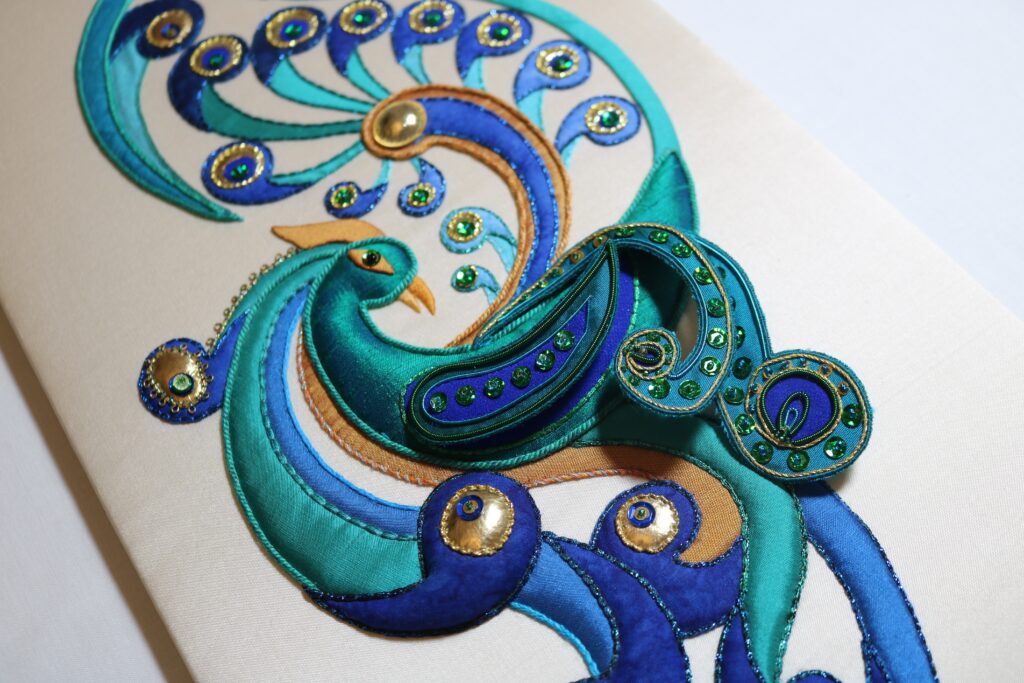
Appliqué
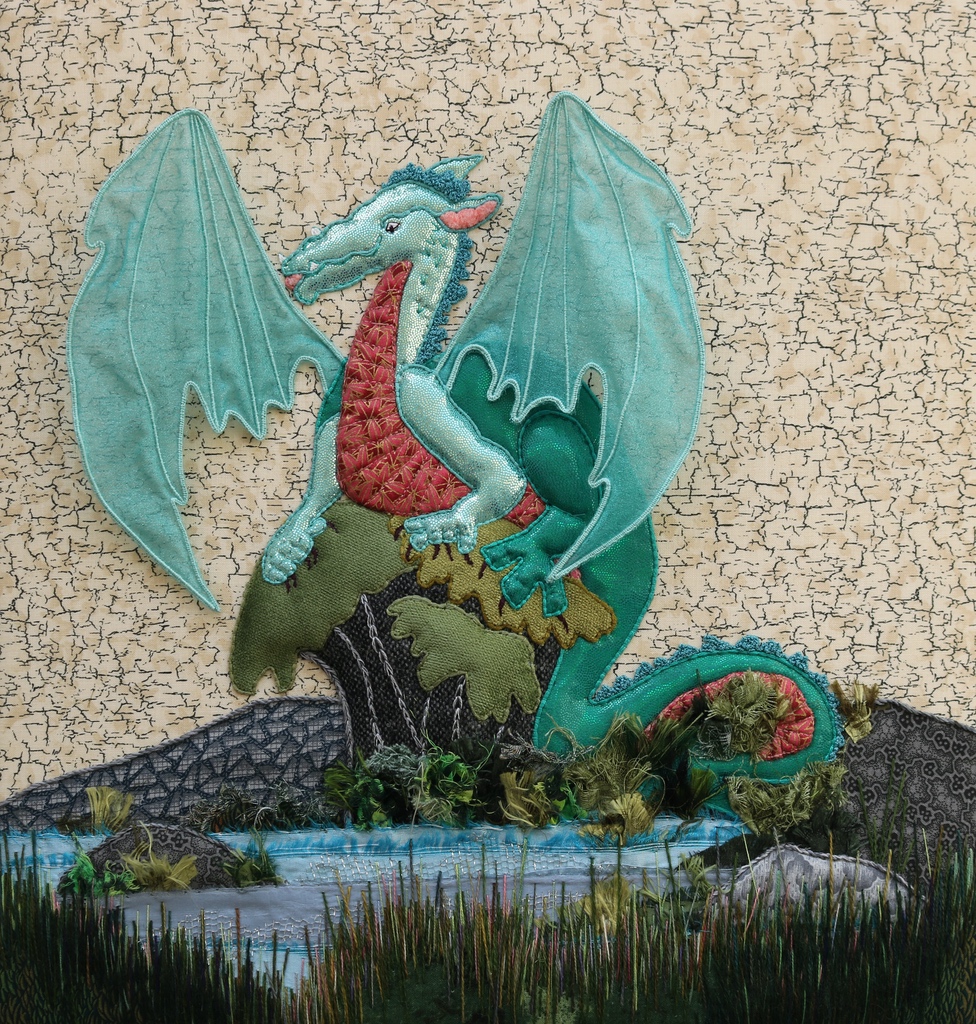
Applique is the first of the Diploma modules. It involves the applying and layering of a wide range of fabrics using different edging and padding techniques.
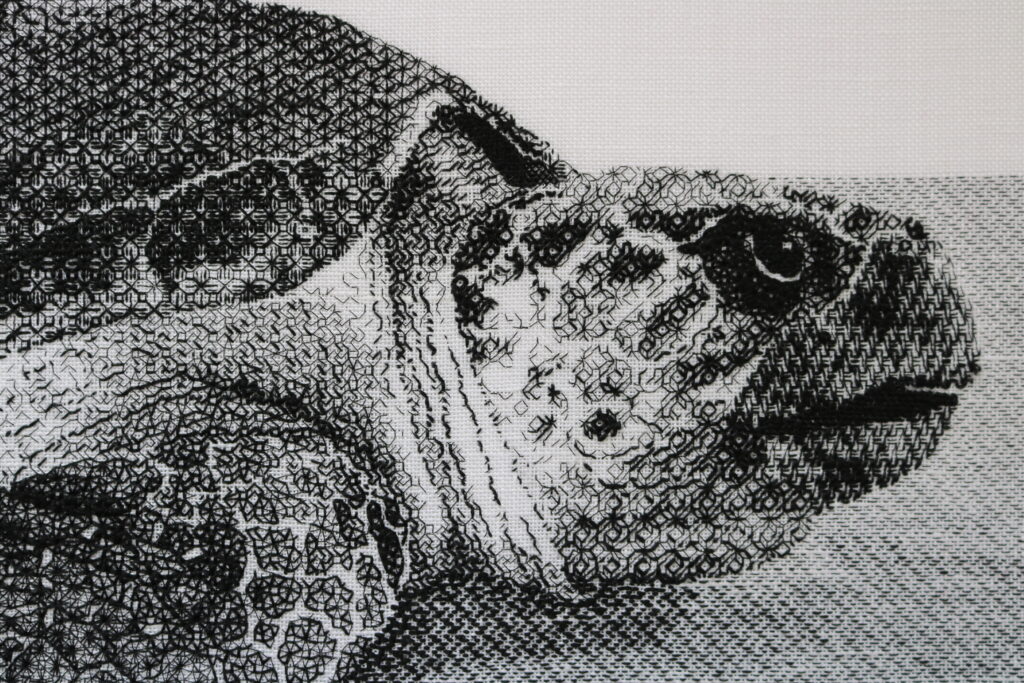
Blackwork
Blackwork is a monochrome counted thread technique. It combines manipulation of geometric patterns and the use of a range of threads, fine to coarse, to replicate a tonal range.
Advanced Silk Shading
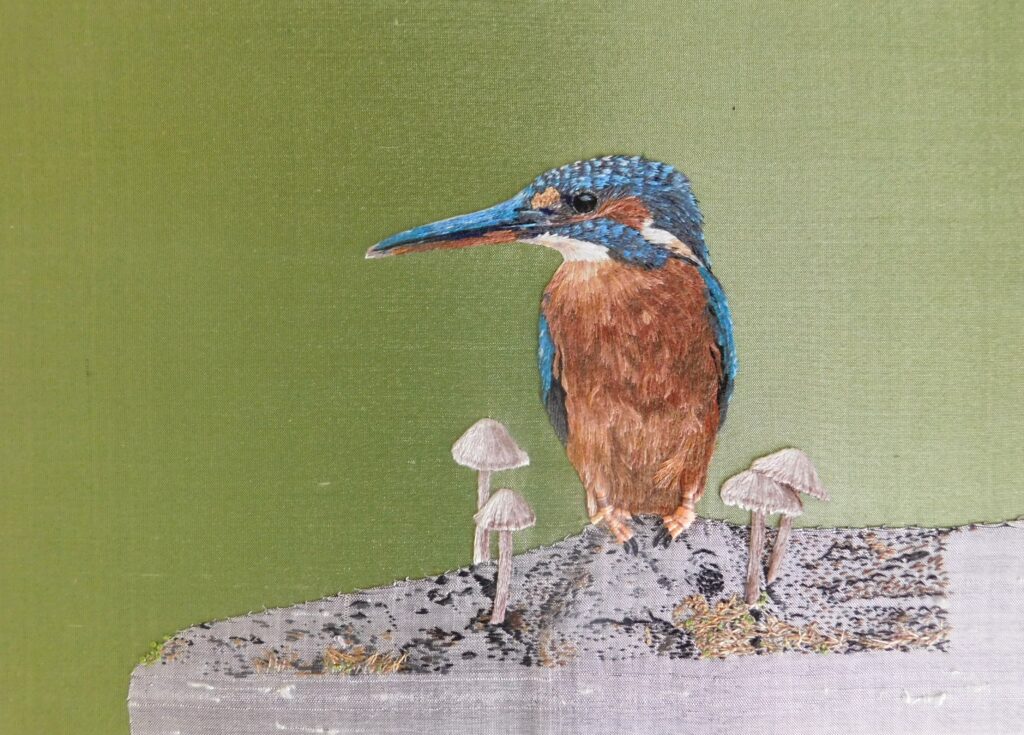
Building on learnt Certificate skills, this technique employs an animal, bird or fish design, utilising stitch direction to denote fur, feathers or scales.
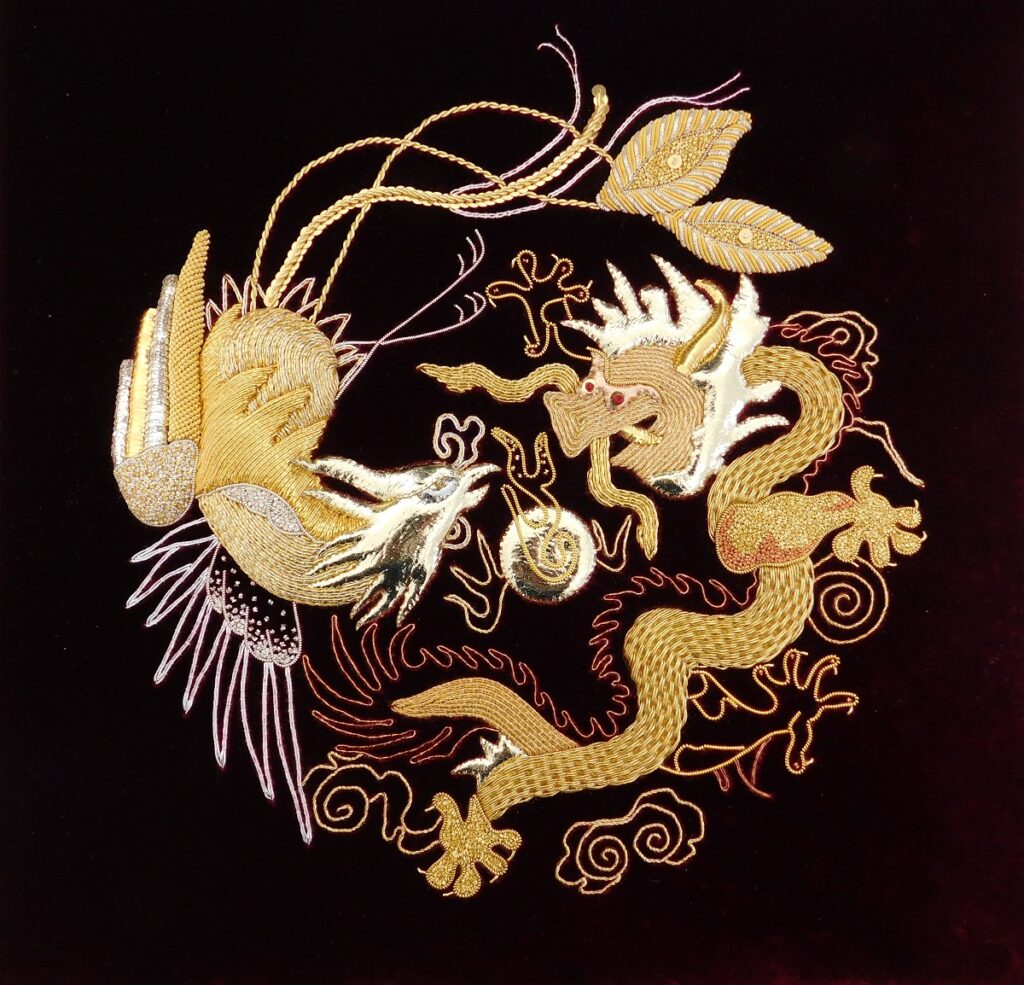
Advanced Goldwork
This technique builds on the skills learned at Certificate level by increasing the range of materials, padding and techniques used.


Canvas Shading
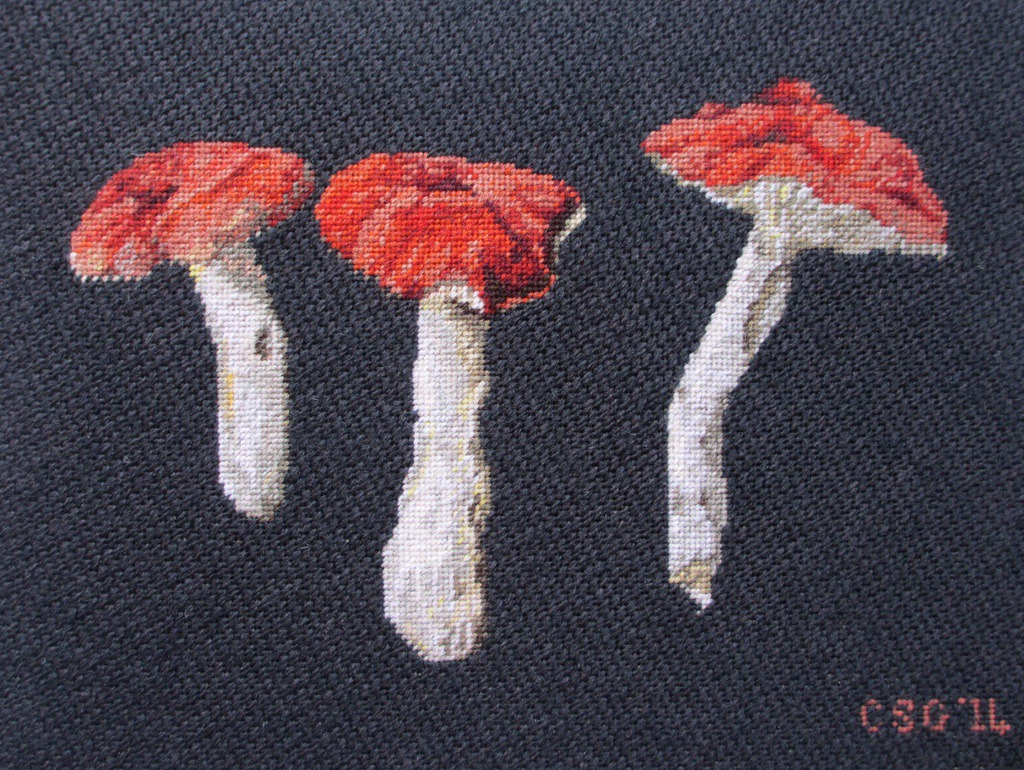
This technique uses Tent Stitch and crewel wool to create a naturalistic image, and focuses on the detailed analysis of the colours of the source images.
Stumpwork
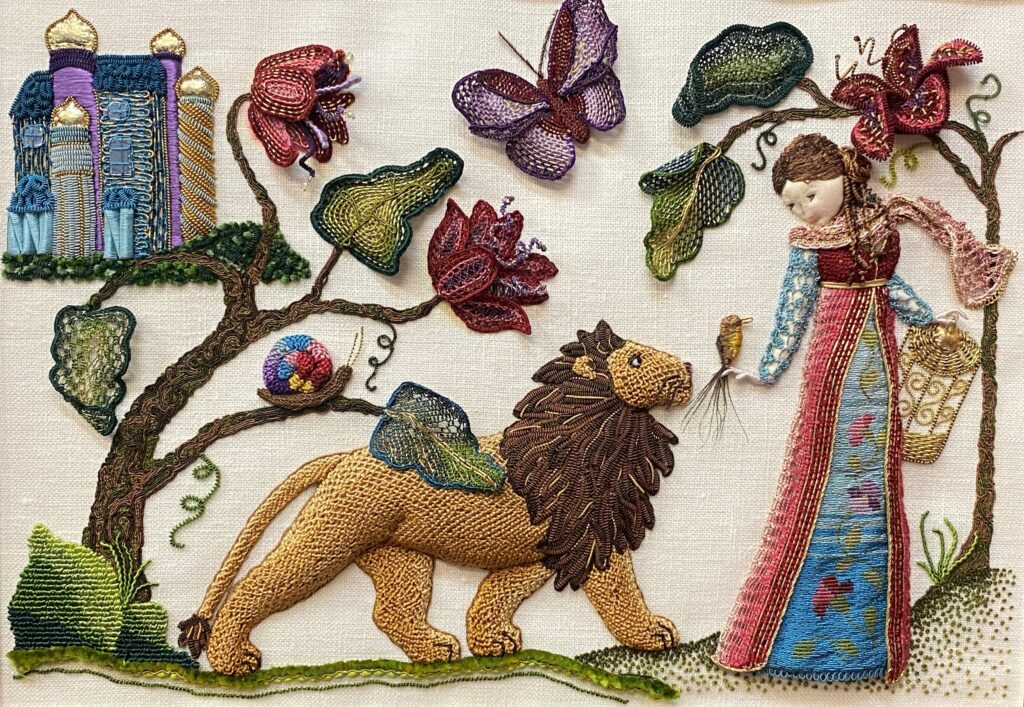
Also known as Raised Work, is a three-dimensional form of embroidery using a range of techniques to create depth and dimension. The worked piece is required to include a Stumpwork figure.
Whitework: Pulled & Drawn Thread
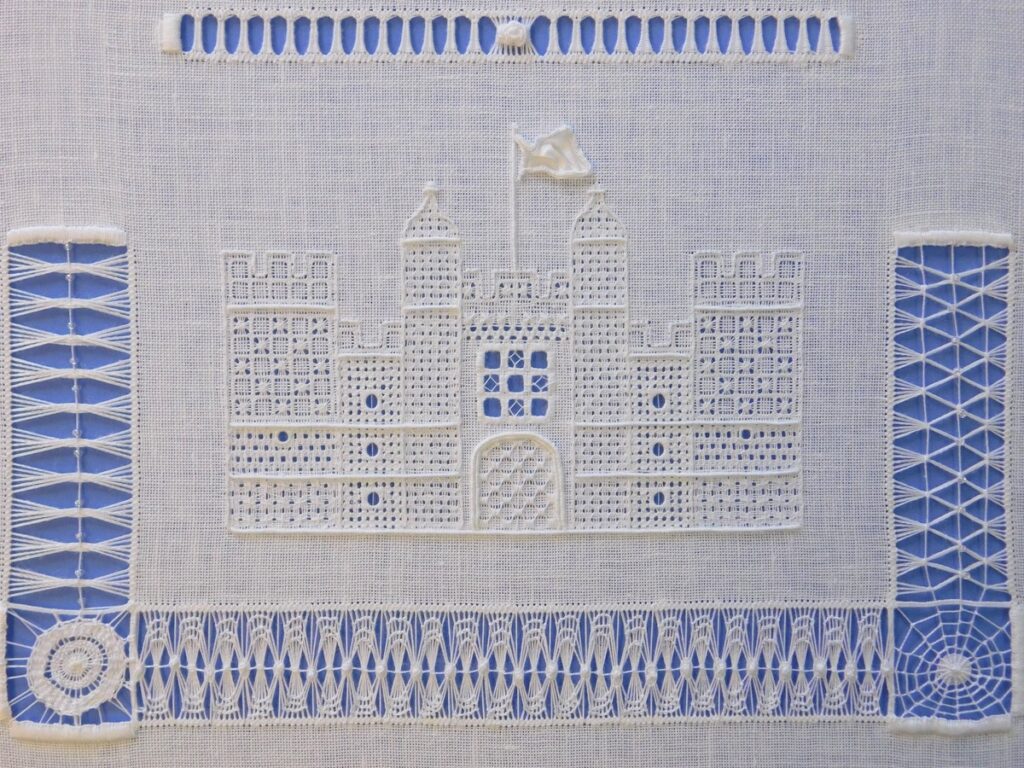
Pulled and Drawn are traditional techniques to create patterns based either on pulling the base threads together with different stitches or removing them completely; the spaces created are then filled with stitches.
Whitework: Broderie Anglaise & Richelieu
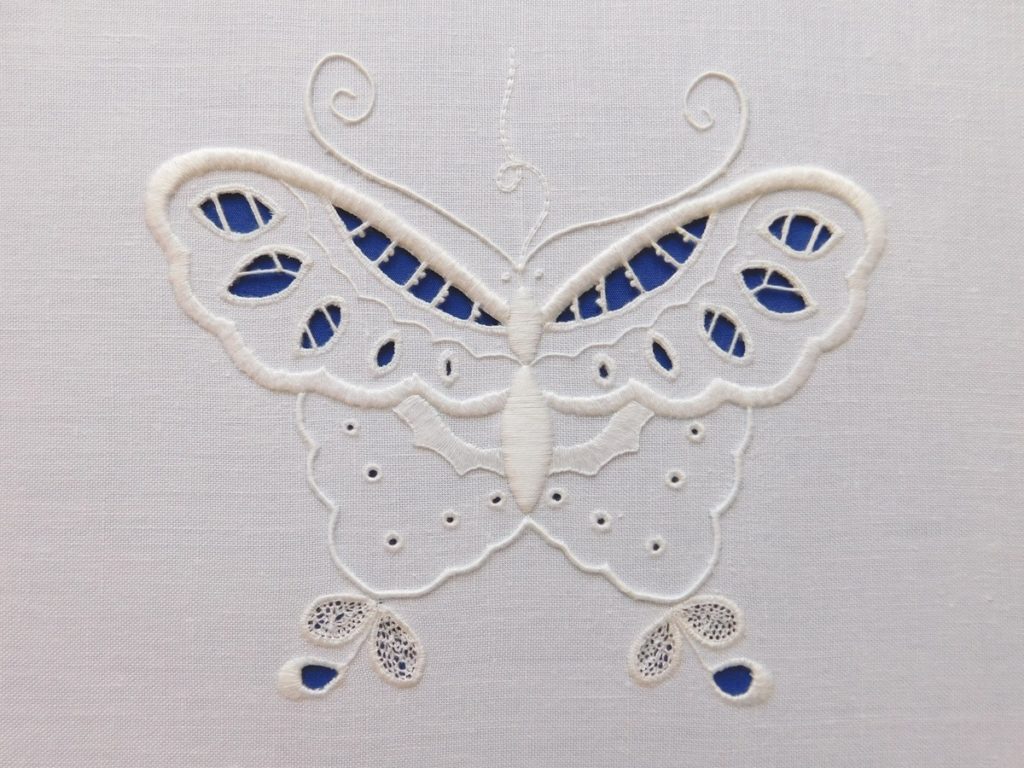
Richelieu and Broderie Anglaise are cutwork techniques where either the cut area creates the pattern or the background. Ideas of positive and negative space create solid (stitched) and open (cut) areas.
Preliminary Box & Box
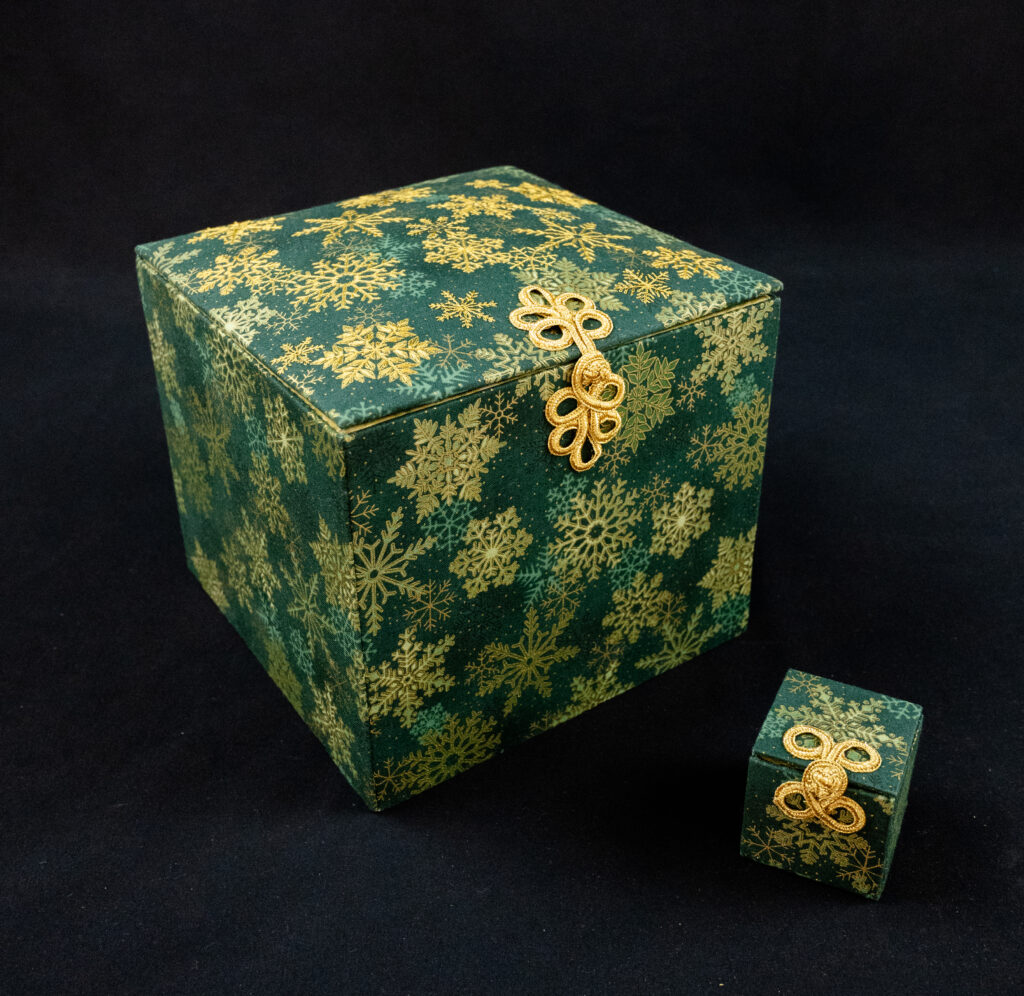
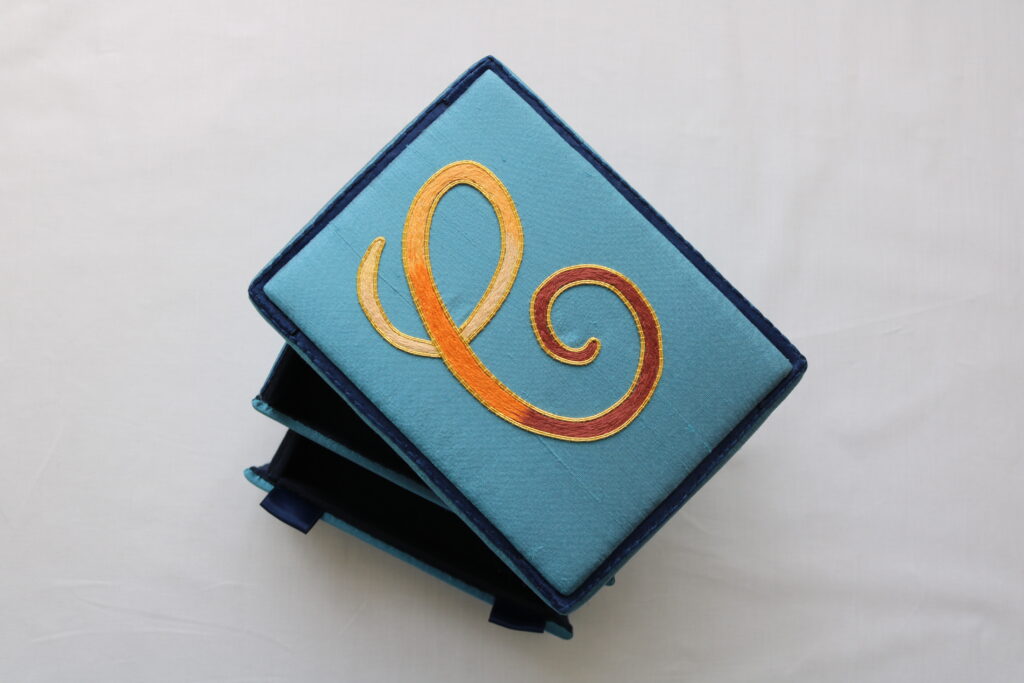
Box involves pieces of card cut to size, covered in fabric and sewn together to construct a box with at least one moving part, for example, drawers, lids etc. The box may also have stitched embellishment.
Creative Metal Thread
This module allows the skills of Goldwork embroidery to be used in an experimental way using. Contemporary metal thread embroidery uses a variety of textural and light-reflective metallic materials and threads in non-traditional ways.
Tapestry Shaded Figure
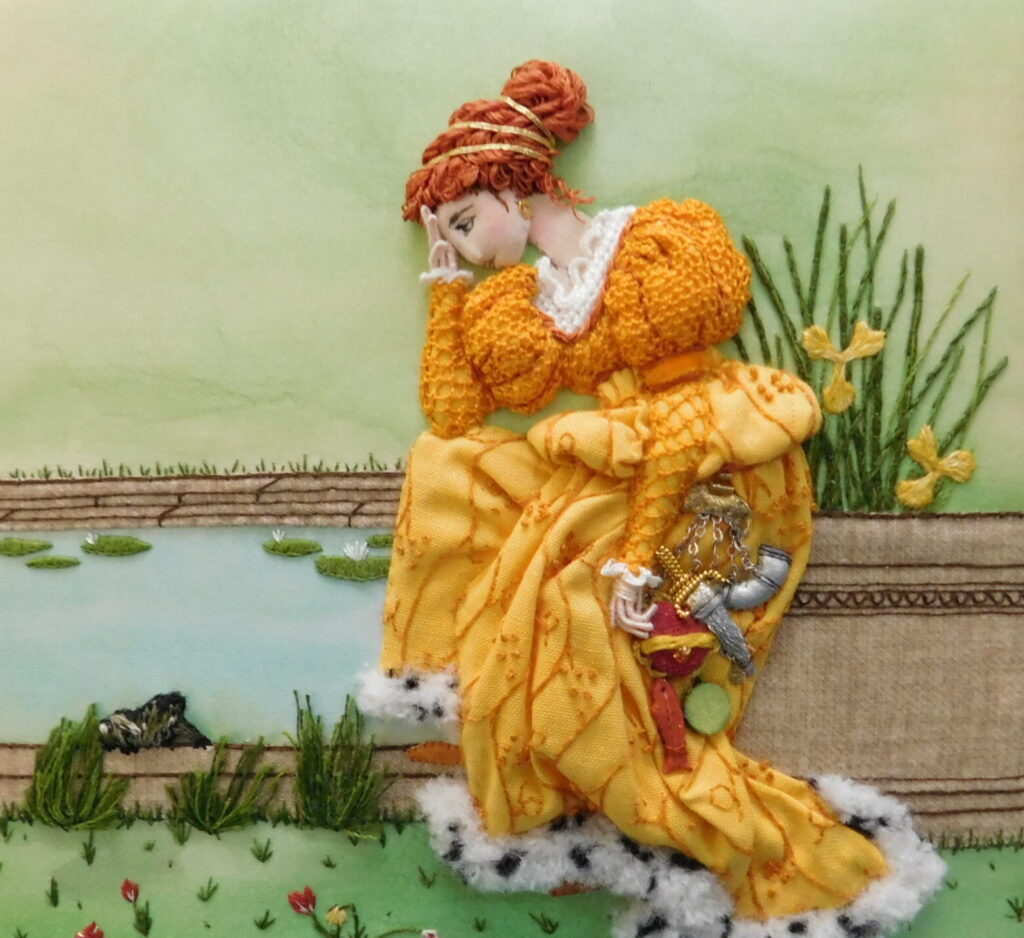
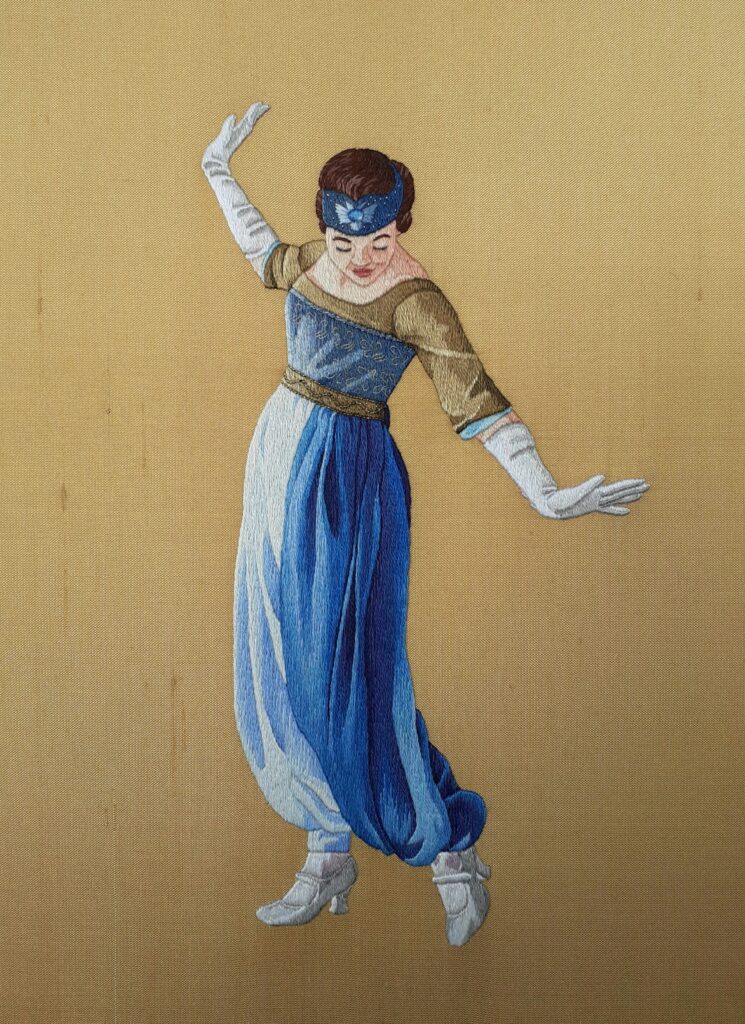
Tapestry Shading uses a vertical Long and Short Stitch to embroider a figure capturing drapery and musculature. Traditionally it has been used for church work but a human figure from any time or place or from mythology or fable may be chosen.
Post Diploma Techniques
A number of other techniques can be taken as individual courses. These include Both-Sides-Alike, Fine Whitework, Tassels and Cords, Quilting and Creative Box.